
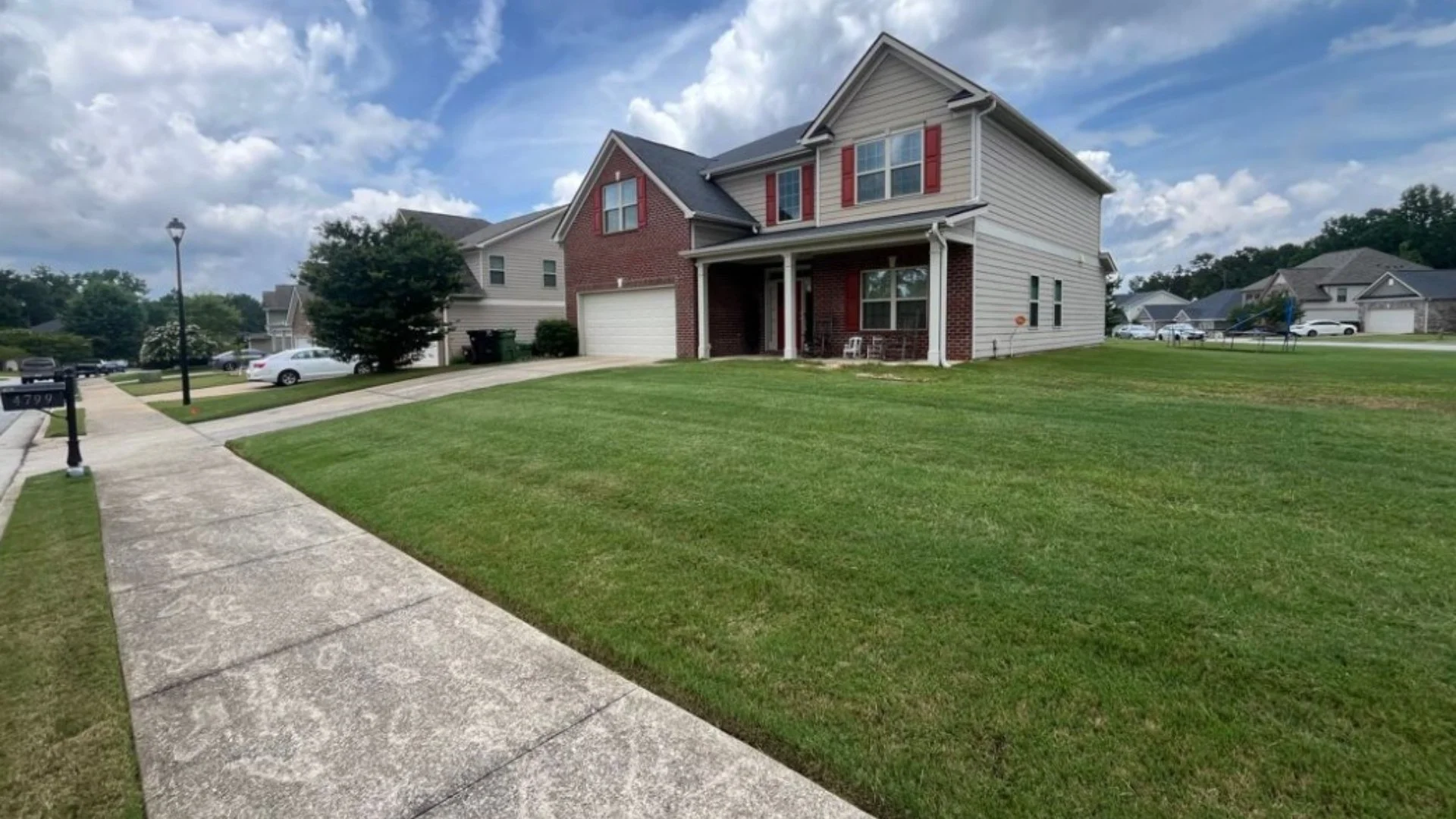
A lush lawn requires strategic weed prevention. Pre-emergent weed control is crucial for stopping weeds before they become visible by forming a barrier that interrupts continued growth. This proactive approach reduces labor and the need for intensive weed removal later. Apply pre-emergents twice a year: first in late January or early February, then again in late February to early March, to target spring-germinating weeds. While pre-emergents prevent new weeds, post-emergents are necessary to eliminate existing ones. This combination ensures a healthy, vibrant lawn in Georgia and Alabama by allowing grass to access essential sunlight, water, and nutrients without competition.
What is pre-emergent weed control, and how does it work?
Achieving a lush and healthy lawn involves strategic planning, especially when it comes to preventing weeds. Pre-emergent weed control is a proactive approach that focuses on stopping weeds before they become a visible problem. These herbicides are chemicals applied to the soil that form a protective barrier. This barrier doesn't kill existing weeds but instead targets them as they begin to germinate. As weed seeds start their life cycle, the herbicide interrupts key biological processes, preventing them from sprouting through the soil.
One of the main advantages of pre-emergent weed control is its preventative nature. Pre-emergents give your lawn the upper hand by addressing issues before they arise. This not only saves you labor and time but also reduces the reliance on more intensive weed removal strategies later in the season. Additionally, by keeping weeds at bay, pre-emergent treatments ensure that your grass has better access to essential sunlight, water, and nutrients. Without competition from invasive species, your lawn can thrive, developing a robust and vibrant green carpet that enhances the beauty and health of your outdoor space.
When should you apply pre-emergent weed control?
Timing is crucial when it comes to applying pre-emergent weed control, as the goal is to stop weed seeds before they start growing. To achieve this, plan to apply pre-emergents twice a year. The first application should take place in late January or early February. This initial treatment targets the first wave of spring-germinating weeds.
A second application is recommended in late February to early March, providing continued protection as temperatures rise and more weed seeds begin to sprout. By carefully timing these applications, you can maximize the effectiveness of the pre-emergent treatment and minimize the likelihood of a weed infestation.
Use post-emergent weed control treatments to eliminate existing weeds in your lawn.
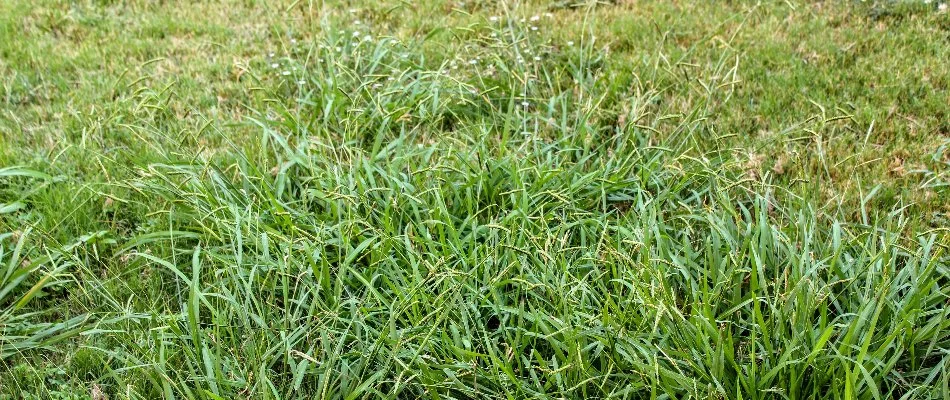
While pre-emergents are excellent at preventing new weeds, they do not affect weeds that have already established themselves. This is where post-emergent herbicides come into play. Designed to kill existing weeds, post-emergents target the leaves, stems, or roots directly. It’s essential to use them alongside pre-emergents for a comprehensive weed control strategy. Begin by inspecting your lawn for visible weeds and apply a suitable post-emergent herbicide as needed, carefully following the product's instructions. By combining both pre- and post-emergent treatments, you'll maintain a weed-free lawn, allowing your grass to grow healthy and strong all season long.
Call us today to sign up for our weed control service!
At Mitchum Lawn, we offer a comprehensive weed control service that includes both pre- and post-emergent treatments. Pre-emergent treatments are applied twice a year, once in January and February, and once more between February and March. This service also includes post-emergent weed control applications to tackle existing weeds on your lawn. We use high-quality products and proven techniques to ensure optimal results.
We offer our weed control service to residential and commercial property owners, as well as HOAs, in Columbus, Midland, Phenix City, Smith Station, AL, and surrounding communities. Call today at (706) 329-6897 to sign up and give your lawn the best start possible.