
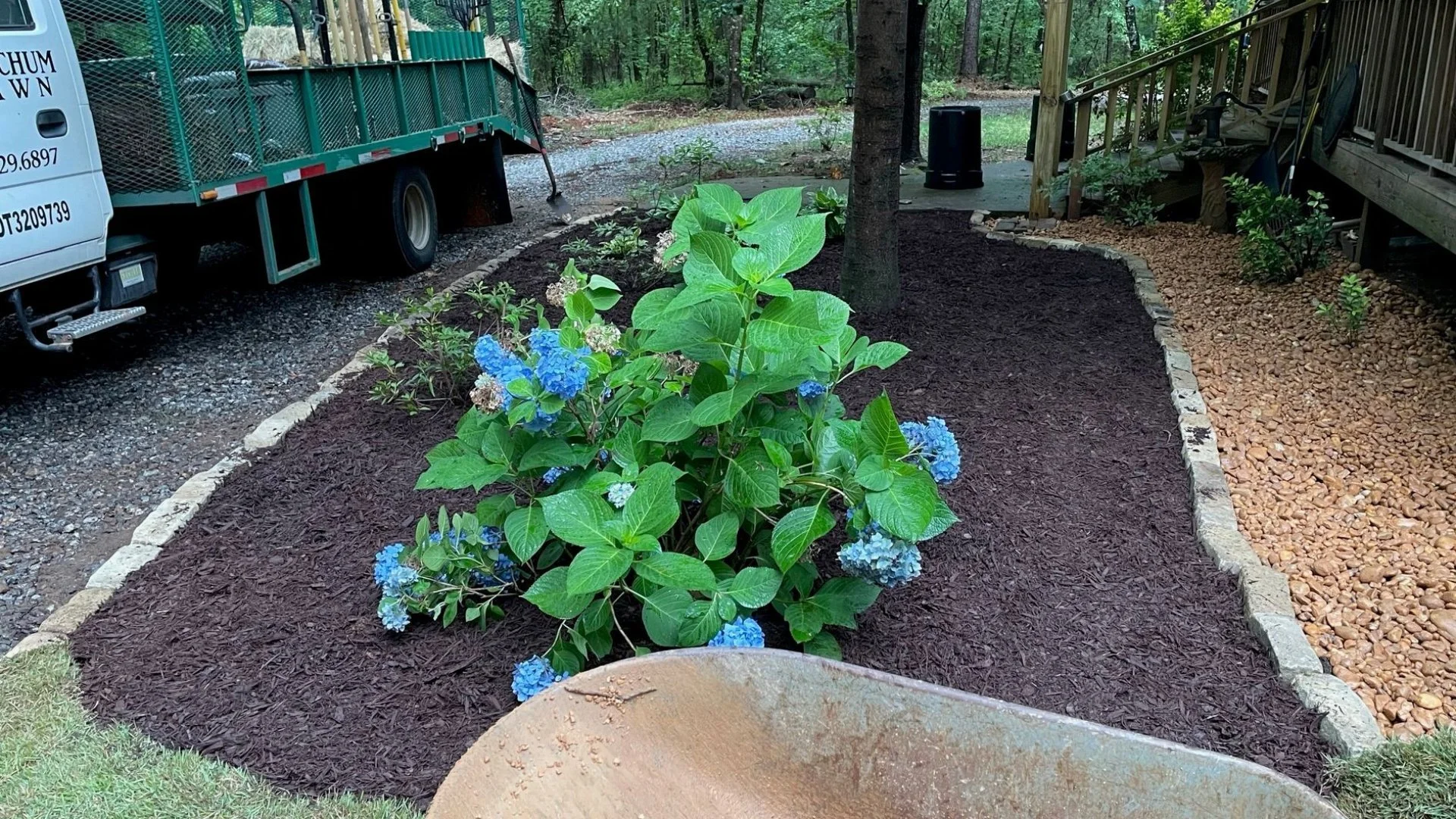
Successful landscape design starts with careful plant selection. When choosing plants for your landscape in Georgia or Alabama, three primary factors should guide your decisions: soil conditions, sun exposure, and color scheme. Understanding how each of these factors affects plant performance will help you create a landscape that is both attractive and healthy.
1. Soil Conditions
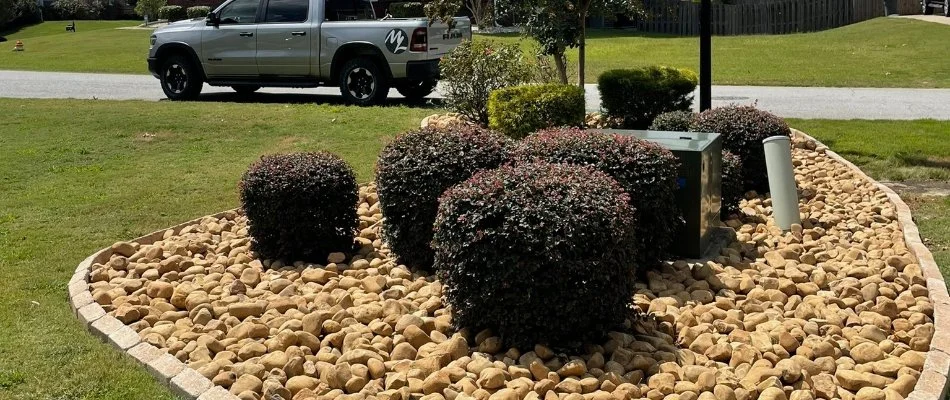
Soil is the foundation of every landscape bed and directly influences plant health. Different plants have different soil requirements. Some perform best in rich, moist soil, while others prefer dry, sandy, or well-draining conditions. When a plant is placed in soil that does not match its needs, its ability to absorb water and nutrients is reduced, which can result in stunted growth regardless of the level of care provided.
For this reason, it is important to select plants that will thrive in the specific soil conditions of your landscape beds. Begin by assessing your soil. Observe whether water pools after rainfall or drains away quickly, and note whether the soil is dense and compact or loose and crumbly. Choosing plants that naturally align with these characteristics allows them to develop strong root systems and grow more reliably with less intervention.
2. Sun Exposure
Sunlight is another critical factor in plant health, as each plant has its own light requirements. Some species require full sun, meaning several hours of direct sunlight each day, while others perform better in partial shade or full shade. A shade-loving plant exposed to intense sun may suffer from scorched leaves, while a plant that thrives in full sunlight that is placed in the shade may grow weak and produce few or no blooms.
Before selecting plants, consider how much sunlight your landscape beds receive throughout the day. Light conditions can change significantly from morning to evening, so a bed that appears sunny at one time of day may be shaded at another. Observing these patterns and choosing plants that will flourish under the amount of sunlight they will receive is one of the most effective ways to promote full, vibrant growth.
3. Color Scheme
Color is a central element of landscape design and contributes significantly to the overall character of your property. If you want your landscape beds to be colorful, select plants that bloom in a range of different colors. A variety of blooms adds visual interest and creates a more dynamic, welcoming outdoor space.
The arrangement and layering of plants are equally important in achieving your desired look. Positioning plants carefully ensures that colors are arranged according to your design goals. Grouping similar colors together can create a calm, cohesive appearance, while distributing contrasting colors throughout the bed produces a more vibrant display. Planning the arrangement in advance helps ensure a result that appears intentional and well organized.
Beautify your yard with our plantings and softscapes service. Call us to sign up!
Selecting plants with soil conditions, sun exposure, and color scheme in mind leads to healthier plants and a more polished landscape. If you want to ensure your landscape is filled with plants that will thrive, we can help. Here at Mitchum Lawn, we offer a professional plantings and softscapes service that involves installing or renovating landscape beds to revitalize the look of your yard. We'll work with you to choose plants that will not only grow well in your landscape but also spruce up the look of your property!
At Mitchum Lawn, we offer this service to commercial and residential properties, as well as HOAs, in Columbus, GA, Phenix City, Smith Station, AL, and nearby areas. Call us today at (706) 329-6897 to sign up for this service and get started with elevating your property's curb appeal.